

Dental Braces
Dental Braces in Doncaster, Melbourne
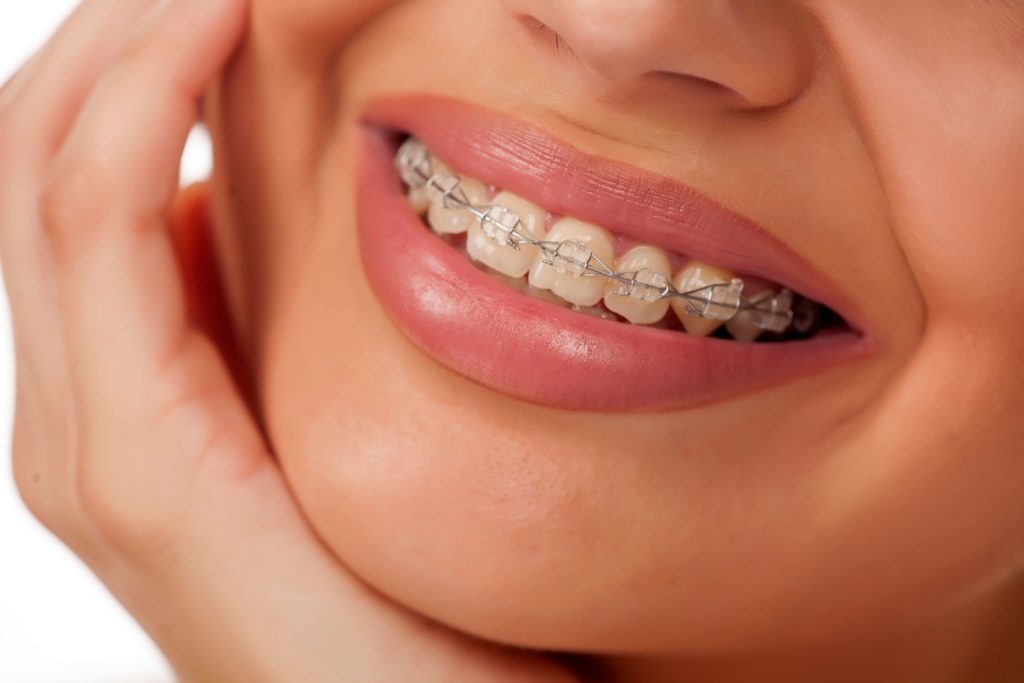
Dental Braces in Doncaster, Melbourne
What Are Dental Braces?

PAY WITH SUPER
Pay With Super
Common Dental Issues That May Require Braces
- Underbite: When the lower teeth overlap the upper teeth.
- Spacing Between Teeth: Gaps or spaces between teeth can affect both appearance and oral health.
- Crooked Teeth: Teeth that are misaligned or not in their proper position.
- Crowded Teeth: When teeth overlap or don’t fit properly due to lack of space.
- Teeth Proclamation: A condition where the teeth are inclined forward, often affecting the overall bite.
- Jaw Imposition: Misalignment of the jaw that can cause bite issues.
- Malocclusion: Imperfect positioning of the teeth when the jaws are closed, leading to issues with chewing and speaking.
Types of Dental Braces
- Traditional Metal Braces: The most common type, metal braces, are now smaller and more comfortable than ever. They use stainless steel brackets and elastic bands to straighten teeth effectively and affordably.
- Ceramic Braces: Similar to metal braces but with tooth-coloured brackets for a more discreet appearance. They offer the same effectiveness while blending in with your natural teeth.
- Lingual Braces: These braces are placed behind the teeth, making them completely invisible from the front. They are a great option for those who want a hidden orthodontic solution.
- Invisalign Aligners: Clear, removable aligners that gently straighten teeth. Ideal for mild to moderate corrections, they offer convenience as they can be easily removed for eating and cleaning.
What to Expect Before and During Treatment
Before Getting Braces
If any dental issues like cavities or gum disease are present, these will need to be addressed before your braces can be fitted.
During the Procedure: Step-by-Step
- Teeth Cleaning – Your teeth will be thoroughly cleaned and dried to ensure good adhesion.
- Bonding Brackets – A safe adhesive is used to attach the brackets to your teeth.
- Setting the Brackets – Brackets are carefully positioned, then secured using a curing light.
- Inserting the Wire – A metal arch wire is threaded through the brackets and secured with elastic bands.
- Final Adjustments – Bands may be placed around the molars, and spacers may be used if needed.
Aftercare and Comfort
Keeping your teeth clean is super important. Brushing well, flossing with special tools, and maybe using a water flosser will keep everything fresh and healthy.
Regular Check-ups
Benefits of Dental Braces
Benefits of Dental Braces
- Benefits of Dental Braces: Straighter teeth are easier to clean, lowering the risk of tooth decay and gum disease.
- Boosted Confidence: A well-aligned smile can improve your self-esteem and how you feel about your appearance.
- Better Chewing and Digestion: A corrected bite helps you chew more efficiently, which can aid in proper digestion.
- Reduced Jaw Pain: Braces can ease pressure on the jaw by correcting misalignment and bite issues.
- Fewer Future Dental Problems: Fixing alignment early helps prevent costly issues down the track.
Start Your Smile Transformation Today!
If you’re ready to improve your smile and boost your confidence, our team at Supreme Dental Doncaster is here to help. We specialise in dental braces in Doncaster, Melbourne, offering personalised orthodontic care tailored to your needs.
Call us now to book your consultation!
Achieve The Oral Health You Desire
FAQs
How long does it take to get braces?
The process of getting braces typically takes about one to two hours. However, the exact duration can vary depending on the complexity of the case, with more intricate cases requiring additional time.
Does getting braces put on hurt?
The application of braces is usually painless. While you won’t feel pain, you might experience slight pressure or mild discomfort as the brackets and wires are placed.
Should you eat before getting braces?
Yes, it’s a good idea to eat before your appointment, as you may feel some discomfort or pressure afterward, which could make eating more challenging.
